
Top Tips for Capturing Stunning Corporate Event Photography


Understanding the Importance of Corporate Event Photography
Corporate events are crucial for networking, team building, and showcasing company achievements. Capturing these moments through photography not only preserves memories but also enhances your brand's image. High-quality images can be used for marketing materials, social media, and internal presentations.

Choosing the Right Equipment
Having the right equipment is essential for capturing stunning photographs. Invest in a reliable DSLR or mirrorless camera with a versatile lens, such as a 24-70mm, to cover different scenarios. Don’t forget a sturdy tripod and an external flash to handle low-light situations.
Backup Gear
Always bring backup gear to avoid any mishaps. Extra batteries, memory cards, and even a second camera body can save the day if something goes wrong. Preparedness is key to ensuring a smooth photography session.
Understanding Lighting
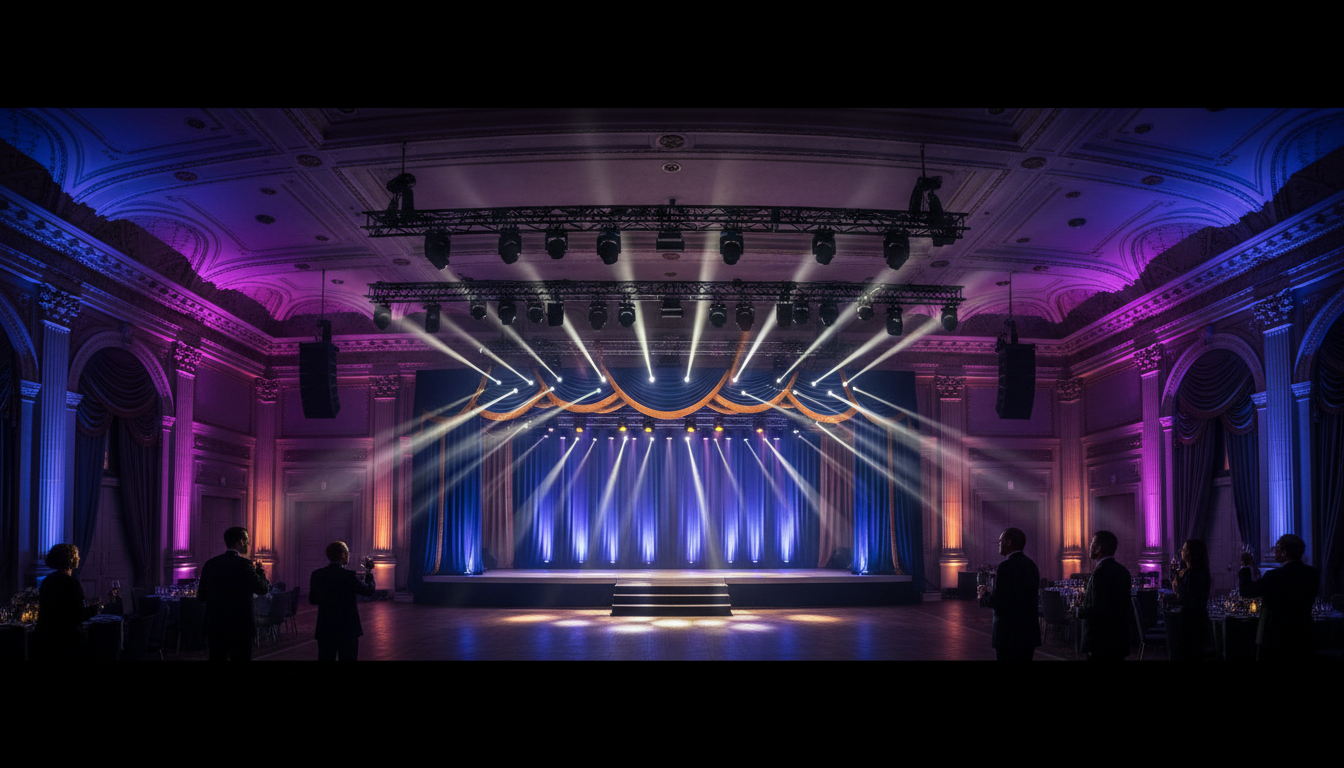
Lighting can make or break a photograph. For indoor events, familiarize yourself with the venue's lighting setup beforehand. Utilize natural light whenever possible, but be ready to adjust your camera settings or use external lighting for darker environments.
Flash Techniques
Using flash can be tricky, especially in corporate settings where you want to avoid harsh shadows. Consider bouncing the flash off ceilings or walls to create a softer, more flattering light.
Capturing Candid Moments
Candid shots often convey the best emotions and interactions at corporate events. Be discreet and unobtrusive to catch these natural moments. Position yourself strategically to capture the essence of conversations, laughter, and genuine expressions.
Engaging with Attendees
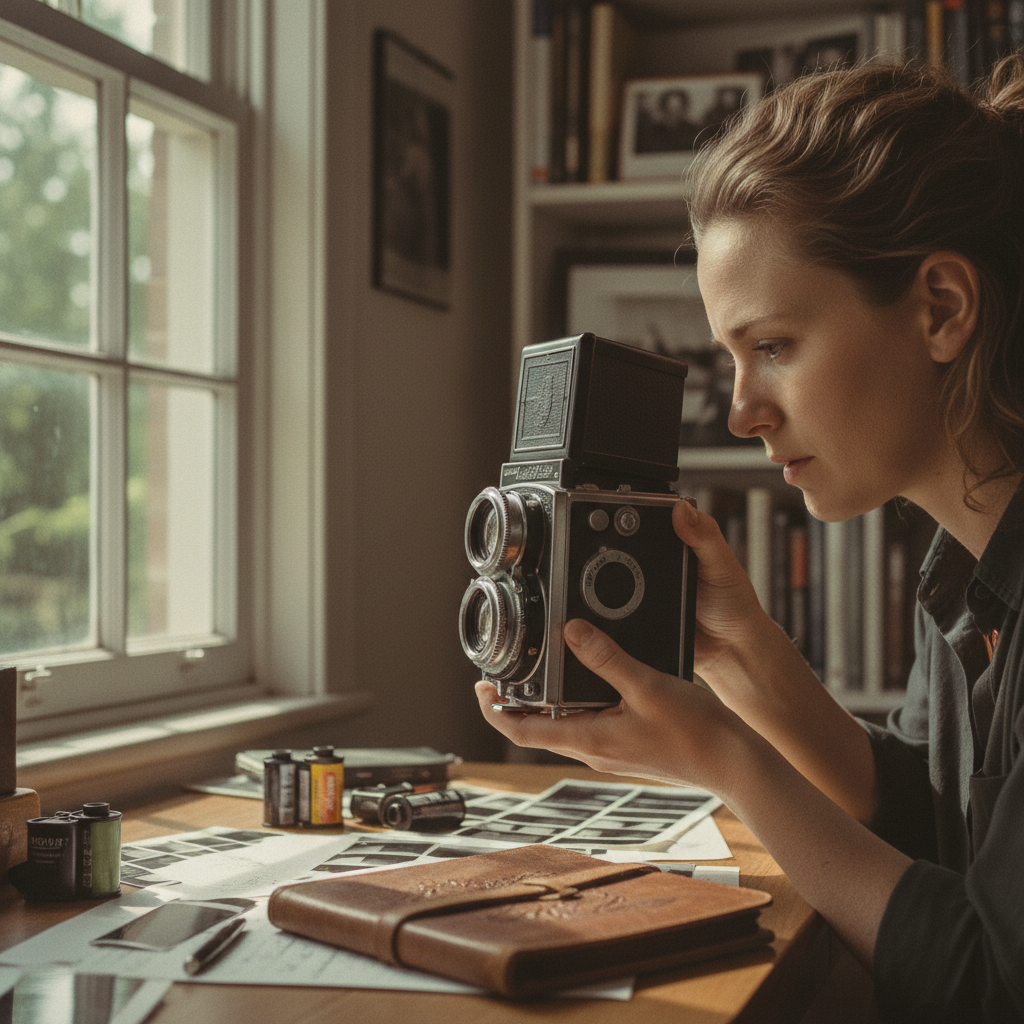
Engaging with attendees can help put them at ease, resulting in more relaxed and authentic photographs. A friendly approach can make a significant difference in the quality of your images.
Post-Event Editing
After the event, take the time to carefully edit your photographs. Focus on enhancing colors, correcting exposure, and cropping images for better composition. Tools like Adobe Lightroom and Photoshop can be invaluable for refining your work.
Delivering the Final Product
Ensure timely delivery of the edited photographs to your client. Create an organized gallery or album that allows easy access and sharing. This professionalism can lead to repeat business and referrals.