
DIY Event Photography Tips: Capture the Moment Like a Pro


Mastering Your Equipment
When it comes to DIY event photography, understanding your equipment is crucial. Whether you're using a DSLR, mirrorless camera, or even a smartphone, familiarize yourself with the settings. Spend some time experimenting with different modes like aperture priority or shutter priority to see how they affect your pictures.
Lighting is one of the most critical aspects of photography. Make sure to adjust your ISO settings according to the lighting conditions. In low light, a higher ISO can help, but be careful as it may introduce noise into your images.
Framing and Composition
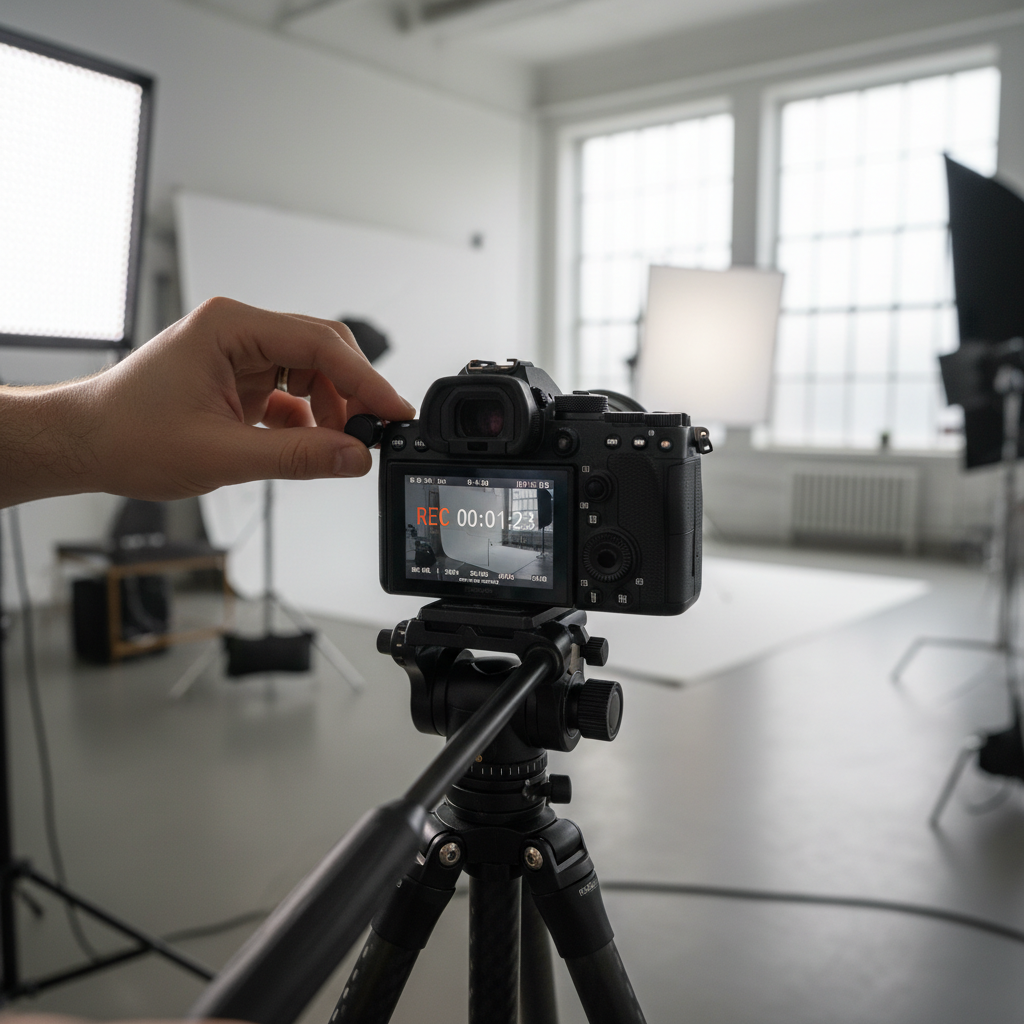
Good composition can make or break a photo. Use the rule of thirds to create balanced and engaging images. Imagine your frame divided into nine equal parts by two horizontal and two vertical lines. Place your subject along these lines or at their intersections for a more dynamic composition.
Also, consider leading lines and natural frames to guide the viewer's eye into the scene. This can be anything from a pathway leading to your subject or the branches of a tree framing a person.
Capturing Candid Moments
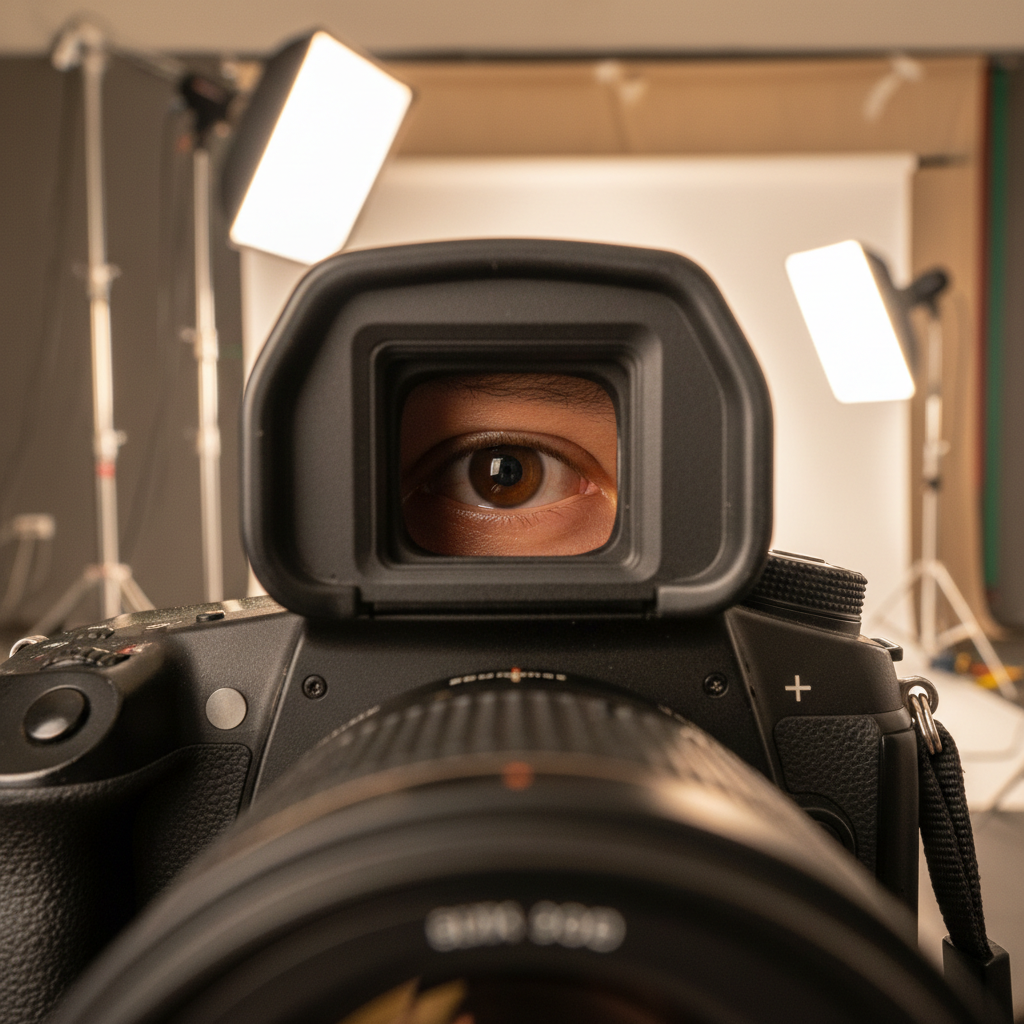
Candid shots often capture the essence of an event. Be unobtrusive and patient, waiting for those genuine moments of interaction and emotion. Use a longer lens if necessary to maintain a distance and avoid disrupting the scene.
It's also helpful to shoot in burst mode to ensure you don't miss the perfect moment. Later, you can choose the best shot from a sequence.
Post-Processing for Enhancement
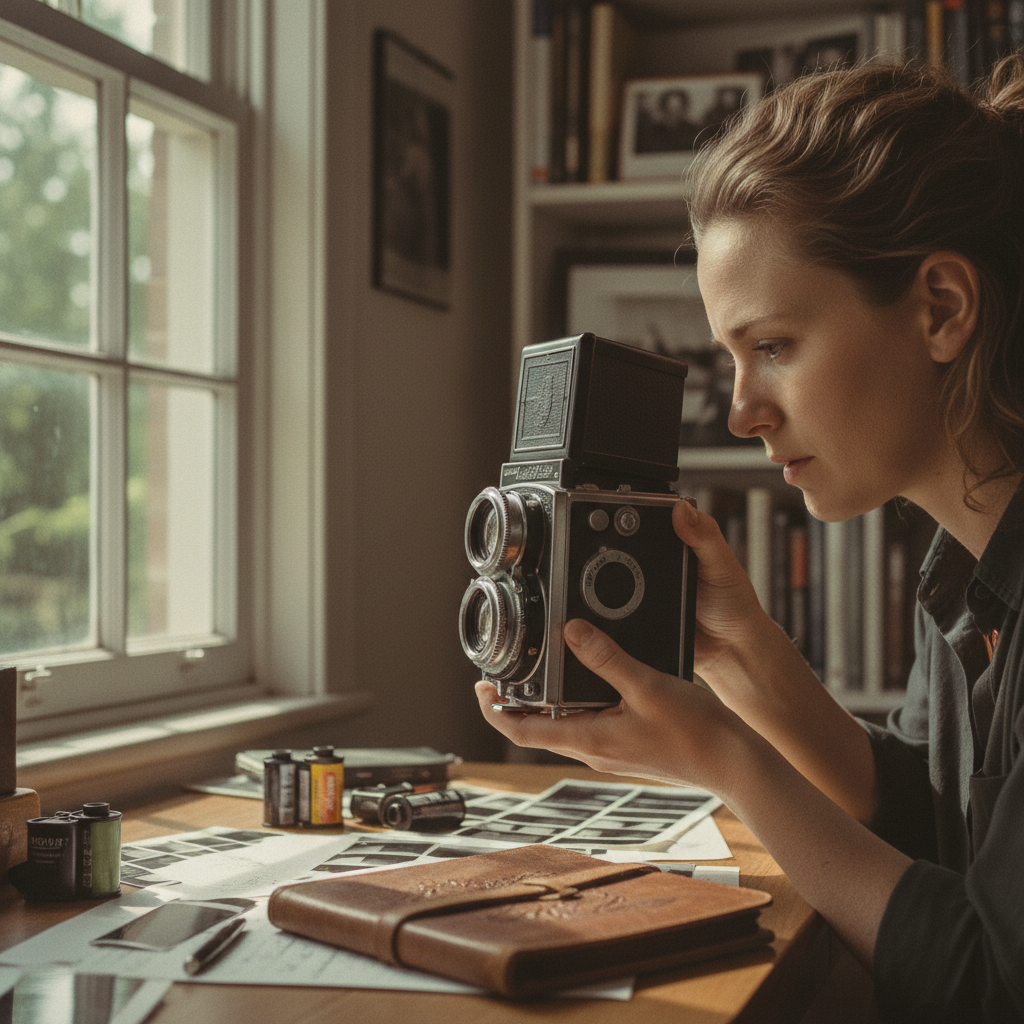
After capturing your images, post-processing can enhance them further. Use software like Adobe Lightroom or free alternatives to adjust exposure, contrast, and color balance. These adjustments can bring out details and make your photos pop.
Be mindful of over-processing, which can make images look unnatural. The goal is to enhance, not alter, the original scene.
Tell a Story with Your Photos
Every event has a story, and your photos should reflect that narrative. Start by capturing wide shots of the venue to set the scene. Then, focus on key moments and details like decorations or expressions to add depth to the story.
Consider creating a photo series or album that guides viewers through the event from start to finish, highlighting the most memorable parts.

Practice and Experimentation
The best way to improve your photography skills is through practice and experimentation. Try different techniques and learn from your mistakes. Attend various events to diversify your portfolio and challenge yourself with different environments.
Join online photography communities for feedback and inspiration. Sharing your work with others can provide valuable insights and new perspectives.